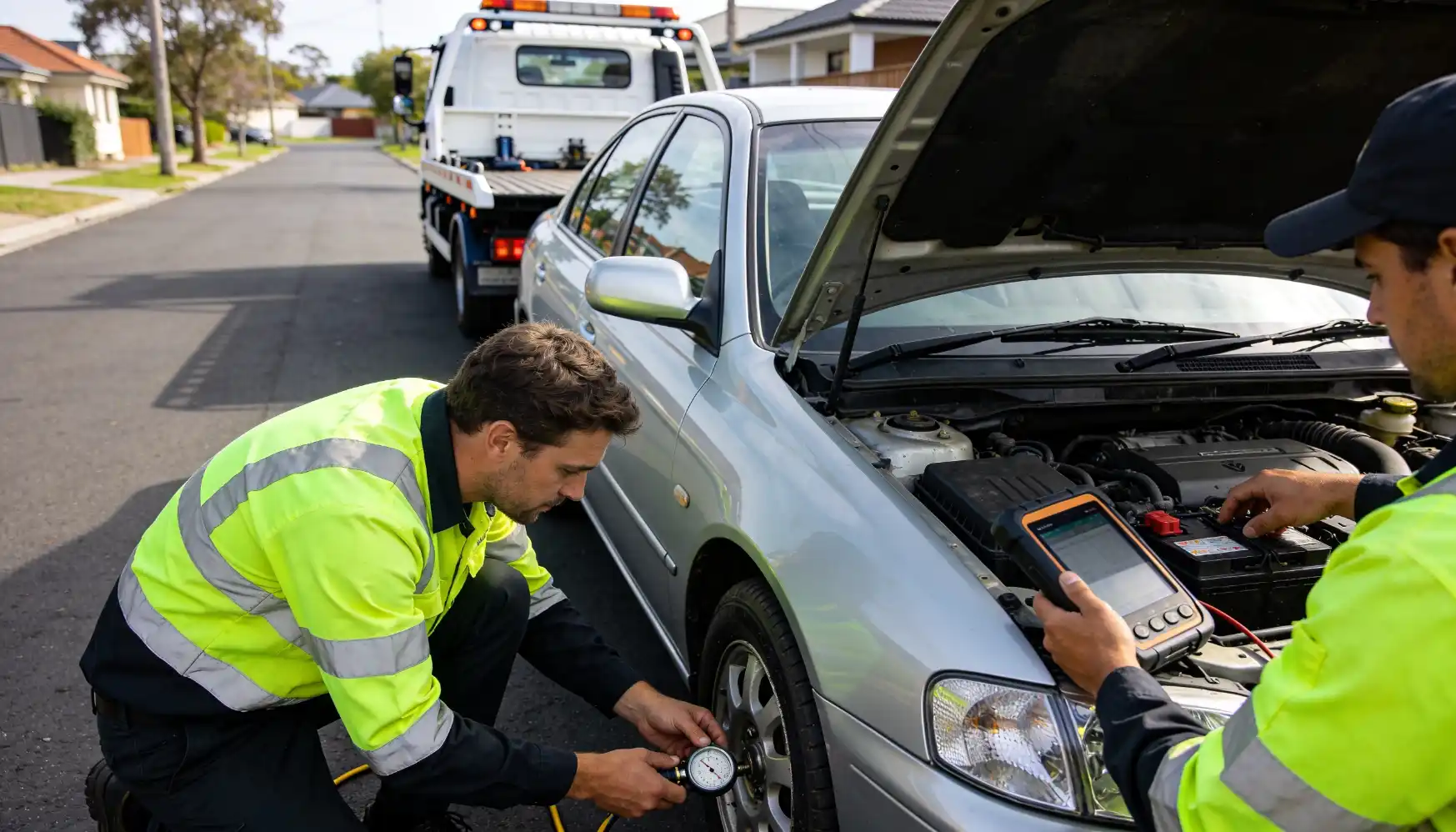
A lot of Melbourne drivers ignore small warning signs until the car suddenly refuses to move. One slightly soft tyre. A steering wheel vibration. A weak battery on a cold morning. It doesn’t seem serious at first. But in real roadside situations, these small issues are often connected. That’s the thing about flex tyres batteries and mechanical problems. They rarely happen on their own. A tyre running at the wrong pressure creates extra flex and heat. That extra resistance makes the engine or battery work harder. Then suspension parts start wearing faster. Before long, drivers end up stranded on the side of the road needing urgent help. In Melbourne, we see this constantly. Tram tracks, potholes, stop-start traffic, and long freeway runs all put stress on tyres and mechanical systems. And once tyres start wearing unevenly, everything else follows. Steering gets rougher. Fuel economy drops. Batteries drain faster in EVs and hybrids. Towing callouts become unavoidable. This guide explains how tyre flex affects your vehicle, the warning signs you should never ignore, and how small maintenance checks can prevent expensive breakdowns later. If your vehicle already feels unsafe or you’re dealing with sudden tyre or mechanical trouble, Southern Towing & Car Removals helps Melbourne drivers with fast 24/7 car towing service and our full range of towing services across the city.
How Tyre Flex Impacts Batteries and Mechanical Systems
Most drivers think tyres only affect grip and handling. But tyres influence almost every moving part underneath your vehicle. When a tyre becomes underinflated, the sidewalls flex more than they should. That creates heat and rolling resistance. Your engine or EV battery has to work harder just to keep the car moving smoothly. On Melbourne roads, especially around industrial suburbs and rough outer areas, this becomes a real problem. We’ve seen vehicles break down after months of driving on badly worn tyres without the owner realising how much extra strain it caused. Steering racks wear faster. Suspension components loosen. Fuel consumption jumps. In electric vehicles, battery range can noticeably drop because the tyres are fighting against the road surface instead of rolling efficiently.
Common Signs of Excessive Tyre Flex
| Warning Sign | What It Usually Means | Possible Result |
|---|---|---|
| Soft steering feel | Underinflated tyres | Suspension strain |
| Centre tread wear | Overinflation | Reduced grip |
| Edge wear | Low tyre pressure | Heat buildup |
| Steering vibration | Wheel imbalance | Mechanical wear |
| Poor fuel economy | Rolling resistance | Battery or engine strain |
A quick tyre inspection once a month can prevent most of these issues. And honestly, many roadside breakdowns could have been avoided with basic tyre pressure checks.
Why Uneven Tyre Wear Can Lead to Bigger Mechanical Repairs
Tyre tread patterns tell you a lot about your car’s health. Mechanics often spot suspension or alignment issues just by looking at the tyre surface. Yet many drivers continue driving while the tyres slowly destroy other components underneath the vehicle. One-sided wear usually points to alignment problems. Feathered tread often signals steering or balancing trouble. Cupping can mean worn shocks or damaged suspension parts. The tyre becomes the warning sign before the expensive repair arrives. We’ve attended towing jobs around Melbourne where drivers thought they only had a flat tyre, but the real problem turned out to be damaged suspension after months of ignored vibrations. By that stage, the vehicle wasn’t safe to drive anymore.
Melbourne Roads Make Tyre Wear Worse
Melbourne driving conditions are rough on tyres for a few reasons:
- Constant stop-start traffic
- Deep potholes after heavy rain
- Tram tracks affecting alignment
- Freeway heat during summer
- Kerb damage from tight parking
Even careful drivers can knock wheel alignment out without realising it. That’s why tyre rotation and balancing matter more than most people think. Rotating tyres every 8,000–10,000 kilometers helps spread wear evenly and reduces stress on suspension systems.
Battery Problems Linked to Tyres? It Happens More Than You Think
This surprises a lot of people. Poor tyre condition can indirectly affect battery performance, especially in EVs and hybrid vehicles. When tyres create higher rolling resistance, the motor or engine works harder. That means higher energy use. In petrol vehicles, fuel economy suffers. In electric vehicles, the battery drains faster and charging frequency increases. Over time, the system experiences more stress than necessary.
Low Rolling Resistance Tyres Matter
Modern low rolling resistance tyres are designed to reduce energy loss during driving. They flex less and maintain smoother contact with the road. That means:
- Better fuel economy
- Longer EV battery range
- Less heat generation
- Reduced tyre wear
- Lower mechanical strain
But they only work properly when inflated correctly. Even premium tyres lose efficiency fast if pressure drops too low. A real example we often hear from drivers is this: battery range suddenly falls during winter, and they assume the battery is failing. Sometimes the actual culprit is tyre pressure dropping in colder weather. Tyres naturally lose pressure over time, and temperature changes speed it up. That’s why regular pressure checks matter year-round, not just before road trips.
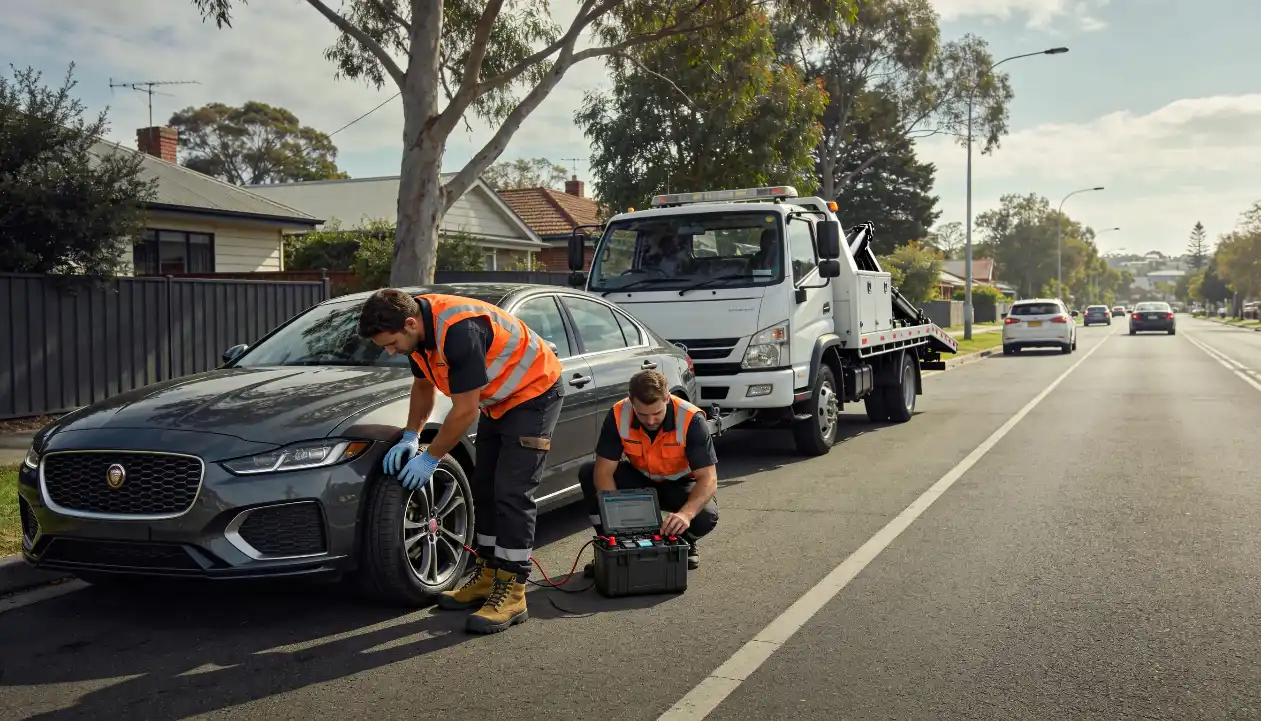
When Tyre Damage Becomes a Towing Emergency
Not every puncture needs immediate towing. But some tyre problems become dangerous very quickly.
Warning Signs You Should Never Ignore
If you notice any of these while driving, pull over safely:
- Loud vibration through the steering wheel
- Sudden pulling left or right
- Tyre pressure warning light staying on
- Bulges or cracks in the sidewall
- Burning rubber smell
- Repeated loss of air pressure
- A loud ticking noise from the tyre
Sidewall damage is especially risky because that area flexes the most while driving. Once weakened, the tyre can fail without much warning. We’ve seen vehicles in Melbourne suffer complete blowouts on busy roads simply because drivers tried to “make it home” on damaged tyres. That gamble rarely ends well.
Repair or Replace?
Small punctures in the centre tread area are sometimes repairable. But if damage reaches the sidewall, replacement is usually the safest option. Run-flat tyres also need special inspection because hidden internal damage is common after driving on them while flat. If the vehicle feels unstable or unsafe, towing is the smarter choice. Continuing to drive can damage wheels, suspension, and braking systems far beyond the original tyre problem. When roadside tyre or mechanical issues leave your vehicle unsafe to continue, Southern Towing & Car Removals provides reliable towing support across Melbourne along with car removals for damaged or unwanted vehicles.
How Drivers Can Extend Tyre and Mechanical Life
Good tyre care isn’t complicated. But consistency matters. The drivers who get the longest life from their tyres usually follow a few simple habits. They check pressure monthly. They avoid smashing potholes. They rotate tyres regularly. And they don’t ignore vibrations or strange steering behaviour. One thing many people overlook is cleaning tyres properly. Mud, stones, and debris trapped in tread grooves can wear tyres unevenly over time. Harsh tyre chemicals can also dry rubber out faster, especially during hot Australian summers.
Expert Tip
If your steering suddenly feels heavier or the car begins drifting slightly on straight roads, don’t wait for the problem to “fix itself.” Alignment and balancing issues only get worse with time. Early checks are always cheaper than suspension repairs later. And if a car has been sitting unused for months, tyre deterioration and battery failure often happen together. That’s something towing companies regularly deal with during vehicle removals.
Conclusion
Tyres don’t just affect grip. They influence battery performance, suspension wear, fuel economy, and overall vehicle safety. Small tyre problems become expensive mechanical repairs when ignored. And if your car becomes unsafe to drive, getting professional towing help early can save a lot more damage later. If you do end up stuck on the shoulder, our guide on roadside towing vs private towing explains which option saves more money, and the true cost of cheap towing explains why the cheapest quote isn’t always the safest choice for your car. And if a breakdown catches you on a major freeway, see why waiting for roadside assistance might be your biggest mistake. If low tyre pressure or a warning light appears right as you approach a junction, our guide to the safest places to pull over at Melbourne intersections explains exactly where you can legally stop, and our guide on staying safe after breaking down on a busy highway covers what to pack in your emergency roadside kit. And if the car will not start at all, our guide on the signs your car needs a tow truck instead of a jumpstart explains when to skip the cables entirely.