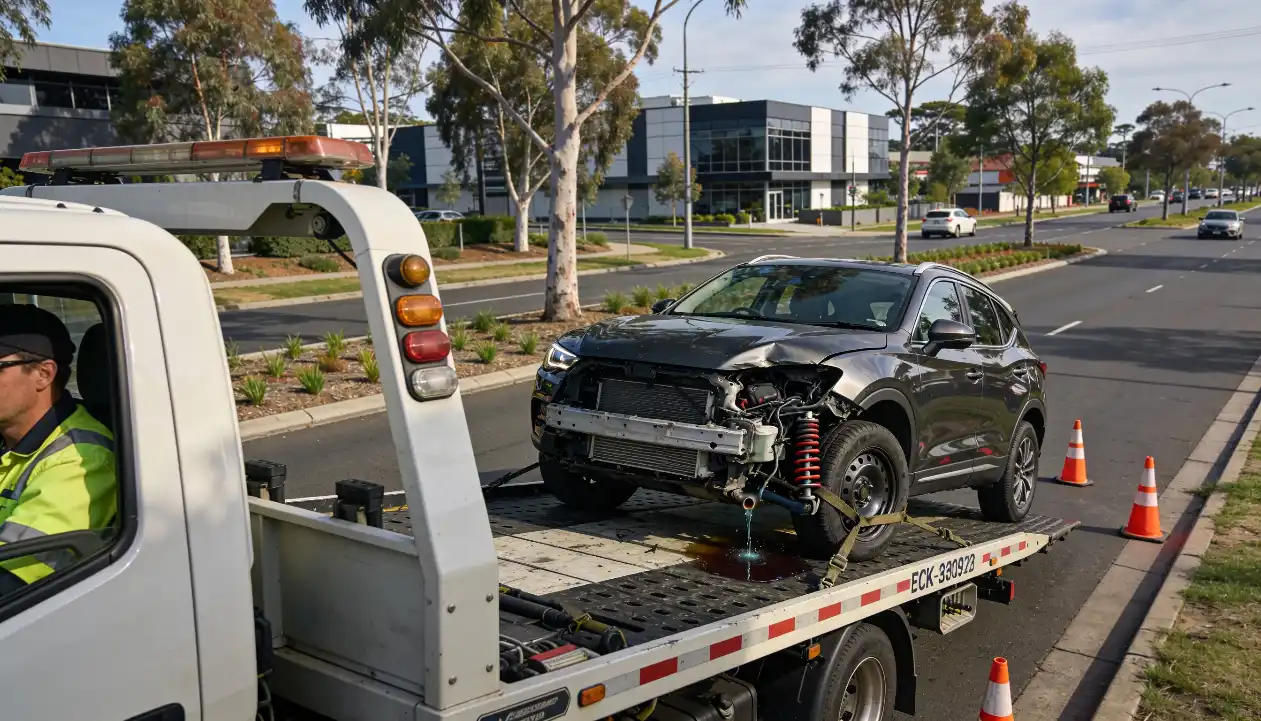
Your brain goes into “survival mode” when your car breaks down, your engine starts smoking, or you accidentally lock your keys in the ignition. When you pull safely off the road, it’s time for the financial panic. You know you need to call someone for roadside assistance, but you are immediately presented with a choice: a roadside assistance membership program, or dialling a local, private towing company. This might seem like a basic math question at first glance. But seeing which is cheaper takes more than a quick glance at the cost of a single service call. The only way to know which one is better for your wallet is to examine the hidden fees, turnaround times, risks to your vehicle, and the commitment you’ll carry every year.
The Two Business Models: Subscription vs On-Demand
Roadside assistance is a type of insurance policy. An insurance company, motor club, or manufacturer program are all options for paying an ongoing monthly or annual fee. In return for this guaranteed price, you get a fixed number of service calls each year. These programs are facilitators — you call them and they “arrange” for a third-party local contractor to address your issue.
A private car towing company, however, works on an ad-hoc and transactional basis. There is no cost to use them until the moment you actually need them. They usually charge a flat rate for the hook-up, plus a per-kilometre rate for transportation. No membership cards, no monthly dues, and no annual commitments.
When Roadside Assistance Wins: The Serial Breakdown
If you have an older, high-mileage car with a history of mechanical meltdowns, you should almost always invest in a roadside assistance program. Consider the individual cost of basic vehicle recovery services when ordered separately and privately — an emergency flat-bed tow, a dead battery jump in a parking garage, fuel delivery on a remote highway, and lockout services to unlock a locked cabin are all billed separately. If you run into two or three of these little fiascos over the year, it’s easy to see how hiring an on-demand company each time adds up to a pretty penny. In comparison, an annual roadside assistance membership needs just one predictable payment. Use it several times in that calendar year and the membership fee becomes a worthwhile investment, protecting your monthly budget from the snowball effect of unplanned expenses.
Now flip the coin. If you own a well-maintained, reliable car, or a newer car unlikely to have sudden mechanical issues, and you’re still subscribing to a roadside program every year but only ever get a flat tyre or breakdown every few years, you’ve effectively paid a lot of money in fees for years you never needed them. When your car eventually did start experiencing problems, calling a reputable local private towing service instead of renewing a subscription would have meant one out-of-pocket transaction fee. In this all-too-common situation, you save real money over the life of the car by avoiding the hidden cost of an unused subscription.
Why Wait Times Cost You More Than the Invoice
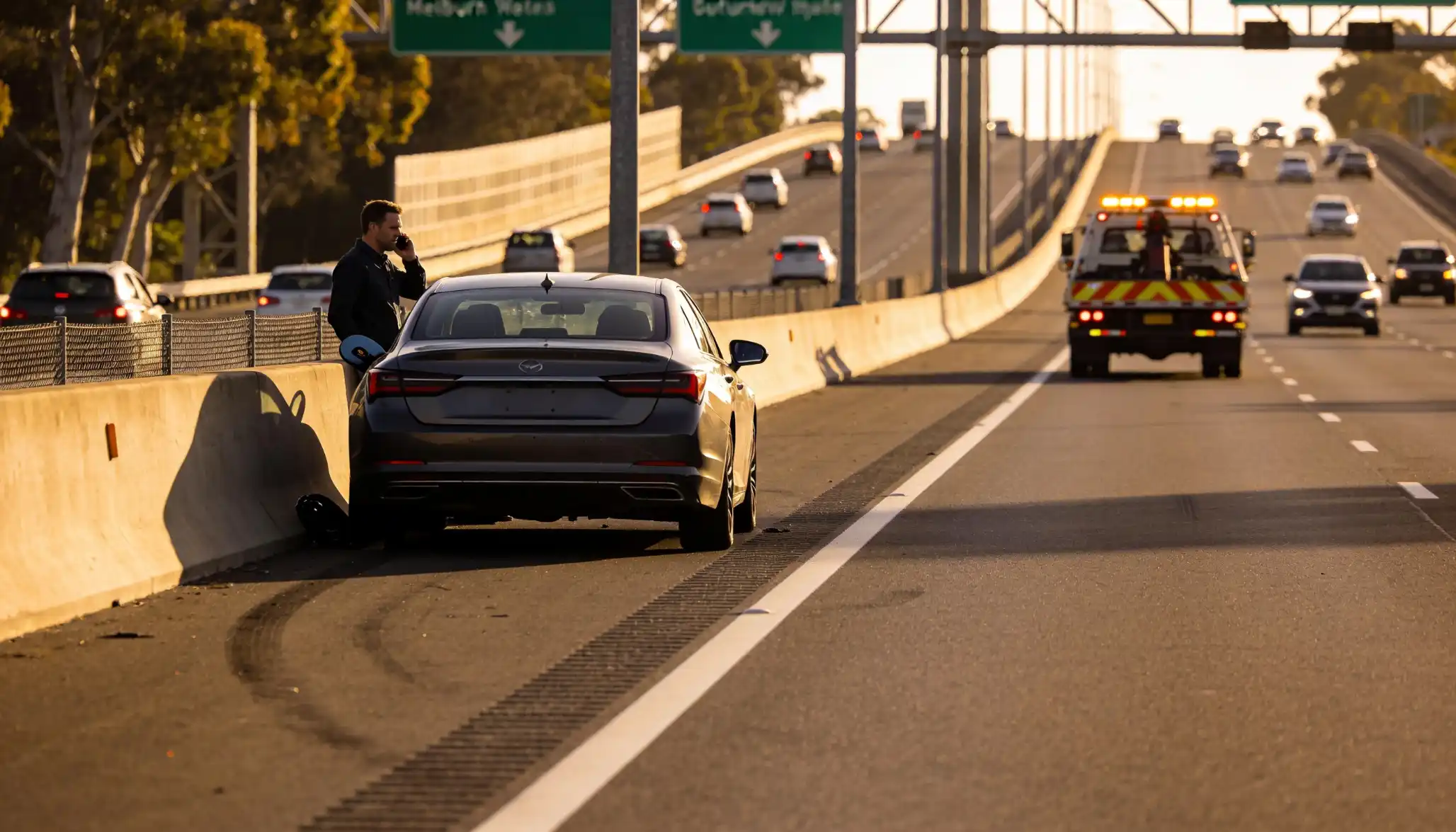
Wait times aren’t just an inconvenience, they’re a money issue too, and that’s where the financial formula gets complicated for subscription networks. Roadside programs are high volume middlemen who negotiate discounted wholesale prices with local towing companies. So when local tow companies are at their busiest, they deal with their more lucrative private jobs first, ahead of the discounted motor club load. If you call during peak hours — a severe storm, rush hour, or a major holiday weekend — you may face a very long wait on the shoulder of the road. Being stranded for hours without pay is expensive for anyone who loses wages, misses a client meeting, or is late picking up kids from daycare. A private towing company, being paid the full rate directly, will focus on your location and arrive much faster. Paying a little more now can save you a lot more in the long run, because it protects your working hours instead of disrupting them.
Hidden Mileage Fees and Coverage Limits
Many car owners sign up for a basic roadside assistance plan believing they’ll be covered for every breakdown, no matter where it happens. That assumption is an expensive one to make. Standard policies typically only cover towing within a fixed distance from the breakdown point. If you find yourself stranded further out, or it’s simply easier to have your car taken straight to your usual mechanic across town, the motor club will charge a large “overage” fee for every additional kilometre, usually at a higher rate than standard industry pricing. A private towing company gives you a clear, upfront cost from the start. The drop-off point can be negotiated from the beginning, and unlike corporate tier structures, you can often agree on a flat, all-inclusive price for longer trips that avoids overage penalties entirely.
What Happens If Your Car Is Damaged During Recovery
Another important financial consideration is what happens if your car is damaged during recovery. A well-established, highly-rated private towing company knows its reputation depends on doing the job right, and carries proper business liability insurance. If your bumper or drivetrain is damaged through operator error, it’s a simple, direct claim between you and the shop owner. Large-scale roadside assistance networks, by contrast, route your claim through several layers of a corporate middleman and an anonymous subcontractor. A third-party app or a large call centre can mean months of phone calls while your car remains out of commission and you pay for a rental or alternate transport yourself.
The Verdict: Which One Saves More Money?
Neither option is a one-size-fits-all financial solution — it comes down to who you are as a driver. Roadside assistance saves you more money if you own an older car, take frequent long-distance trips into unfamiliar areas, don’t have an emergency savings buffer for unexpected costs, or simply prefer a stable, predictable budget. Private towing is more cost-efficient if you own a modern, reliable car, keep up with regular maintenance, dislike paying for a subscription you rarely use, and value fast response times that don’t eat into your working day. If you’ve been putting off a decision because you’re worried about being stranded on the road with nobody reliable to call, or you’ve been burned before by a budget towing operator, the data your own car provides — age, mileage, and reliability — can help you make the financial decision that keeps both your car and your bank account moving forward.
If you’re facing that decision on the shoulder of a Melbourne freeway right now, read why waiting for roadside assistance might be your biggest mistake.
Whichever option you choose, always stop somewhere legal first — our guide to the safest places to pull over at busy intersections explains where VicRoads rules allow you to wait.
Whichever way you pay, it helps to know exactly what’s on the invoice. See our tow truck fee breakdown for a full look at hook-up rates, distance charges and after-hours surcharges.
And no matter which service you call, make sure you’re parked safely first — our guide on staying safe after breaking down on a busy highway walks through it step by step.
Own the land the car is sitting on rather than the car itself? Our guide on removing an abandoned vehicle from your property covers the legal notice periods and licensed towing steps landowners need to follow.
If the car isn’t worth towing to a mechanic at all, our car removal Melbourne service offers free pickup for unwanted, damaged or non-running vehicles.
Get in touch with Southern Towing & Removals