Every driver has had that moment of anxiety when a new sound, vibration or warning light starts to appear in their car. You can tell yourself that the weird squeaking noise from the hood can be put off until your next pay date; or the slight grinding sensation when you press the brakes is an anomaly that will pass. Delaying auto maintenance may seem like a safe way to save time and money, given the frenzied pace of life.
But one of the worst financial pitfalls a car owner can get into is to ignore minor problems with their vehicle. It’s almost always a mechanical problem when it first becomes an inconvenience. Once you know the facts about car neglect, you will safeguard your wallet, maintain your car’s life and prevent the stressful nightmare of being on the side of a busy highway, waiting for a pricey tow truck to show up.
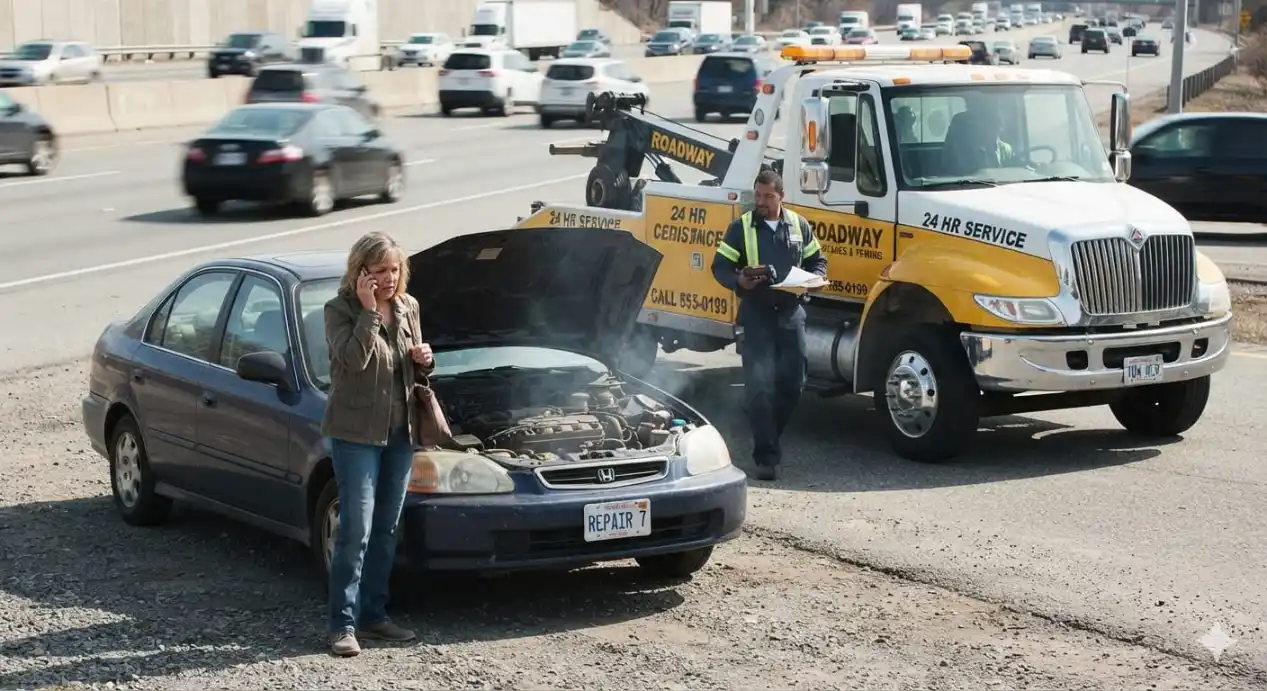
The Domino Effect of Mechanical Failure
Vehicles are incredibly complicated systems that are designed to function within very tight tolerances. No part works alone. In the event of failure in one minor part, it changes the physics and stress distributions of the system as a whole. This is a mechanical domino effect that basically means that a cheap part has to make more work to do the same job as the more expensive parts, causing them to wear out and fail.
Ignoring a little problem does not stop the problem from getting worse, it makes it worse. The physics of the moving vehicle ensures that friction, heat and vibration are ever present on weak points. When one system deviates a little, it spirals out of control, leading to a major system failure, and the vehicle comes to a complete halt.
Four Common Minor Issues That Escalate Into Highway Crises
To demonstrate the difference between a minor repair and an emergency repair bill, consider these 4 typical mechanical issues.
1. Worn Brake Pads
Brake pads are intended to wear out. They come with in-built metal indicators which produce a high pitched squeal or squeak when the friction material gets low. In this time it is a standard, affordable brake pad replacement service.
The friction material will wear away and then, with no stopping, there will be metal-on-metal. The steel portion of the brake pad comes into contact with the brake rotor. This scores the rotors in a few days and they have to be replaced altogether. Excessive heat produced by continued driving can lock up the brake caliper, boil the brake fluid and cause an abrupt loss of braking power, resulting in a stranded vehicle or accident.
2. A Small Coolant Leak
A small spot of sweet smelling, color, fluid under your driveway means a small leak in the coolant system. It may be a loose hose clamp, or a crack in a plastic reservoir, it could be either.
The pressure slowly decreases as the coolant is released, which decreases the boiling point of the remaining coolant. The engine starts to run outside the normal operating temperature. The car will overheat very quickly if you keep driving. The expansion of the engine block is different from that of the cylinder head and causes warping of the metal and the failure of the head gasket. After the head gasket is defective, the coolant gets into the engine oil and wipes out internal bearings and engine will seize up on the road.

3. A Weak Battery
When your car doesn’t start as quickly as it used to, and you can hear a delay from “slow crank” to “alternator” and “starter” you are getting warning signs that your battery is not holding a full charge. It can be done in minutes with a simple battery replacement, it is relatively inexpensive.
If you delay changing a weak battery, your vehicle’s alternator has to run at full capacity all the time to attempt to charge the failing battery. This constant stress causes the voltage regulator and the diodes inside the alternator to overheat, and burn out early. Meanwhile, the low voltage causes the starter motor to draw more amperes than it normally would to start the engine, which can cause damage to the internal components of the starter motor. Unfortunately, a failed battery replacement often results in the death of the car and the need for a new battery, new alternator and new starter.
4. A Frayed Serpentine Belt
The serpentine belt carries mechanical power from the crank to accessories such as the alternator, power steering pump, water pump and air conditioning compressor. These belts tend to become cracked or frayed over time.
When a belt is worn, it will last only as long as it continues to be cycled until it breaks under load. As soon as the belt snaps, you will no longer have power steering which makes the motor vehicle very difficult to handle. The alternator cuts off electrical charging and the water pump stops moving the coolant. The engine overheats and stops working completely within minutes and you’re stranded, wherever the belt decides to break.
The Hidden Economics of an Emergency Tow
When a vehicle experiences an “emergency tow”, the financial costs go well beyond just the mechanics. Emergency situations add a “layer” of logistical and situational costs that may have been avoided altogether if they could have been prevented through proactive maintenance.
- Emergency Towing Fees: Regular towing firms have a fixed hook up fee and a high mileage rate. Emergency surcharges are added when your vehicle breaks down during rush hour, on the weekend and on a remote highway.
- Repair Costs: If your car comes in to a shop on a flatbed, you have no idea what the repair shop is doing and are subject to their whims. Diagnostic and labor fees may add up quickly, especially when done on an emergency basis or within a hurry hour.
- Collateral Costs: When your schedule is clear, you don’t often have a breakdown of collaterals. The expense for ride-sharing, rental vehicles, lost working hours or missed business trips must be taken into consideration.
- Safety hazards: If you are stranded on a highway, you and your passengers will be at high risk from the passing traffic, weather conditions and unsafe surroundings.
Switching from reactive driving to proactively owning a car means you need to change your car monitoring approach.
How to Prevent Exponential Repair Costs
There are a few simple things you can do that will save you thousands of dollars throughout the life of your vehicle. Pay attention to any strange sounds and check for changes in handling, braking or acceleration. Never ignore dashboard warning lights. Be sure to keep in touch with a trusted local mechanic and follow the manufacturer’s maintenance plan outlined in your owner’s manual. When it comes to your car, maintenance is an investment, not an expense; so don’t skip it.