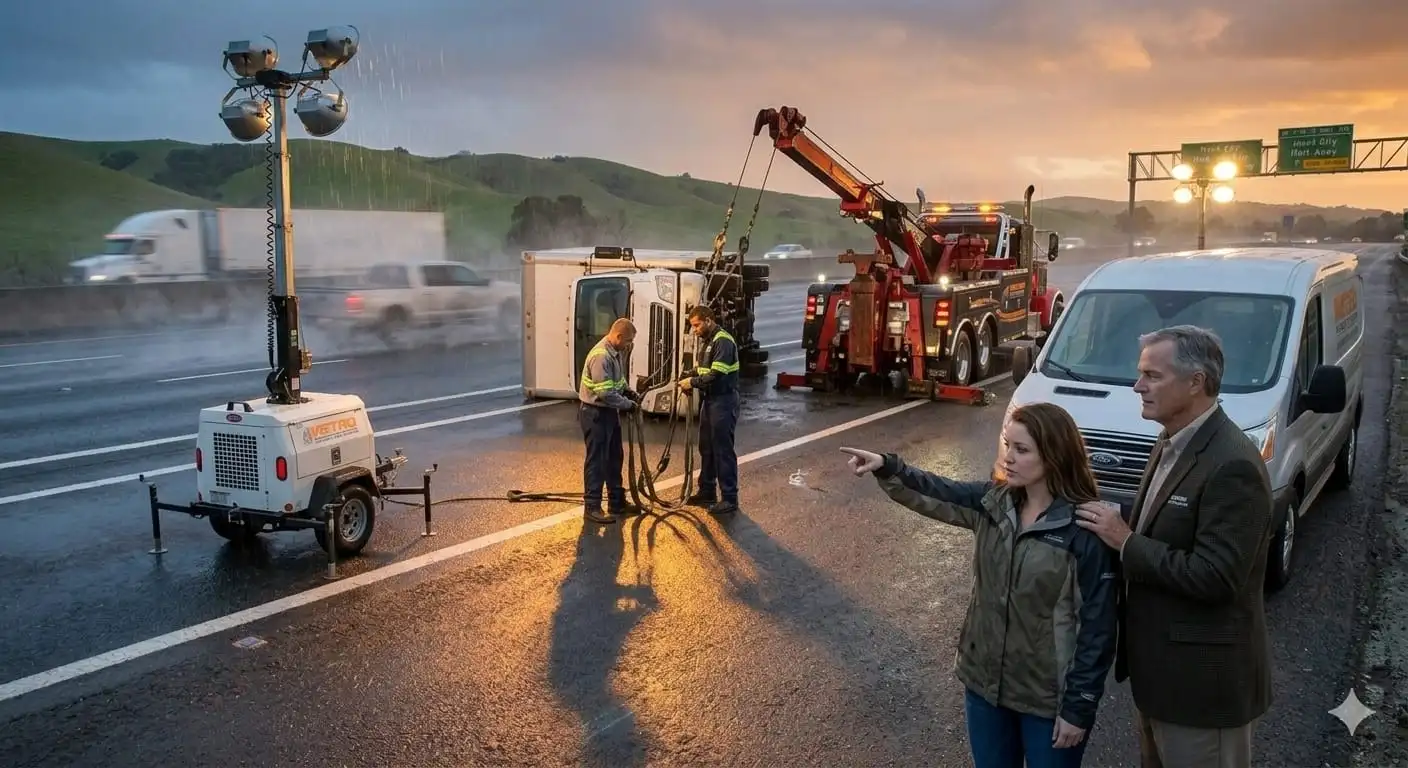
The breakdown fee is one of the least pleasant of roadside incidents. Being stuck in a car when the roads are busy, or being stuck in a quiet suburban street is extremely stressful. The worst case scenario is a recovery truck showing up and you being hung up on predatory pricing or unforeseen fees.
The fees for towing your car usually come between $120 and $350 for a standard local call-out for towing. But the end bill is never a simple one. It depends on a number of factors: the base hookup rate of your area, the amount of distance you have to travel to get to the train, and when you call. Emergency tows cost the most, which is why delaying minor car repairs costs more in the long run.
Understanding The Tow Bill
Understanding the components of a professional tow bill is essential when it comes to navigating the towing fee landscape. The cost of towing service can vary greatly depending on your situation, as they could come into play for anything from regular trade to accident scene clearing. Understanding exactly how these breakdown fees are calculated will give you peace of mind knowing you can comfortably compare a quote, there will be no hidden administrative charges, and you will be protecting your budget in an emergency.
When starting a contact with a commercial towing company and asking them for immediate assistance, the first price level that you’ll come across is the hook-up fee, also known as the base rate or flag fall. This first charge acts like a taxi deposit, which is the initial expenses it will take to get your recovery vehicle started.
The hook up charge covers the driver’s dispatch labor, gas used to get to your breakdown, and the actual set up work to properly hook up your car to the recovery bed. This minimum charge is usually in the $90-$150 range for a standard passenger vehicle for regular business hours.
For many professional operators, this first level price includes a small distance allowance, so there will be no additional mileage charges if the workshop your car is picked up from is within the first one or 5 kilometers of the pickup scene.
The hook-up rate puts the towing company onto their basic equipment expenses even if you just need to have your car towed down the street.
Distance Calculations: Once a vehicle is safely placed on the back of the truck, distance-based pricing model is applied. Apart from the small buffer zone that you may get included in your initial cost of connecting, a towing company will bill you an additional rate for each km driven from the towing location to the drop off location.
The charge per kilometer is typically from $3 to $7 in the industry. This distance fee is for the heavy fuel usage of a loaded carrier truck in movement, with the driver operating the truck in urban traffic or between hills, and the driver’s active time.
If the tow is taking place within the same suburb or nearby commercial areas, this distance is not that significant when calculating the tow’s invoice, as your total invoice will be closer to the base bracket.
These costs per kilometre can quickly add up, though, if you set out on a holiday road trip with your car and it breaks down in the middle of nowhere and you call for a long-distance tow back to your favourite suburban garage. If the intercity towing job is more than fifty or one hundred kilometers away, it is highly recommended to discuss a flat rate in advance to avoid an out-of-control bill.
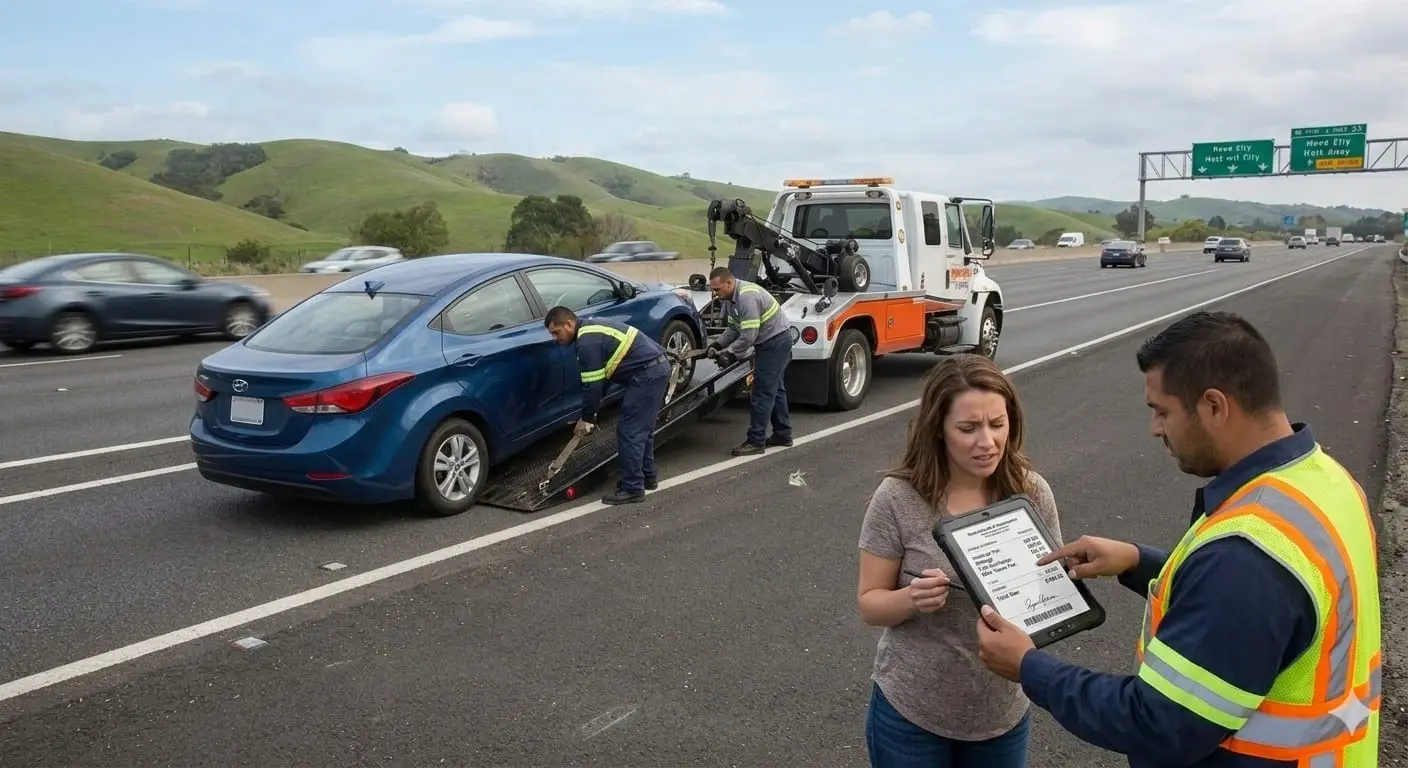
Understanding Emergency Premiums
Towing firms work throughout the day, seven days a week, since vehicle emergencies don’t adhere to a standard workplace timetable. If you do ask for a truck outside of the normal weekday working hours you’ll immediately change the pricing element of your call-out. The after-hours surcharge is charged by towing companies if your vehicle breaks down late at night, early in the morning, over a weekend or during a gazetted public holiday.
The rate is usually an extra $50 to $150 over your basic hook-up charge.
An after hours surcharge is a common industrial requirement to cover the additional shift-work rates and penalty rates that dispatch employees and heavy vehicle drivers are required to pay for working on unsociable hours. Likewise, when storms are active; particularly if it is a severe weather event like a major localized outbreak of flash flooding or an electrical storm; companies might have an urgency premium for vehicles that break down. This premium reflects the additional risks of operation and slower loading on site for getting hold of an asset under hazardous, low visibility circumstances.
Size Factors Affecting The Final Bill
Vehicle size, total weight and vehicle design are a critical part of what influences your final invoice. The typical towing pricing system is meant for light duty, passenger vehicles like compact hatchbacks, sedans and light crossovers. Electric vehicles are a special case too, since they need flatbed-only transport to protect the battery and warranty, which affects the truck sent out.
Operational change, if you drive a heavy duty four-wheel-drive, a big family van or a commercial utility vehicle. When the gross vehicle mass of a heavier vehicle is in question, larger tow trucks, tie down equipment and much greater winch power is needed to safely handle these larger vehicles. This means that larger vehicles are subject to a regular weight surcharge that is typically $50-$100 above the base call-out fee.
The other significant cost factor is clearance. Standard tow trucks are unable to safely load a lowered sports car or prestige vehicle with a low front bumper splitter without damaging the suspension or bodywork. There are tilt-tray trucks available that are designed for low clearance vehicles, which feature low angle loading ramps that can be placed at an angle to help the vehicle onto the platform, and soft wheel straps that don’t damage the vehicle like steel chains could. These low clearance calls also come with a capital and maintenance expense premium as these tilt-trays are more expensive and require more maintenance to keep in good condition, to ensure that your vehicle’s beauty and strength are maintained.
Storage And Site Recovery Fees
When requesting an over-the-phone towing estimate, you want to make sure that the quote you receive is a full estimate and not a “gut” estimate of the minimum price. The final bill may come as a surprise to an inexperienced driver if they miss the costs of certain peripheral items. The most common secondary cost is storage fee. When your car breaks down late on Saturday night, and your favorite mechanic is closed until Monday morning, the tow truck will not be able to leave your car on the street outside the closed shop.
The driver will drive your vehicle to their safe holding lot for the weekend. Secure holding yards impose daily fees ($20-$40 per day), plus a special fee for accessing a pick-up yard at times other than the normal gate hours.
Also, a standard carrier truck can’t get in if your car stalls in a multi-story parking garage that has low overhead or down a steep embankment. The companies will need to unload vehicles using specialized vehicles or complex winching rigging to slowly pull your car into an open space before it can be loaded, this translates to an explicit “site recovery” hourly labour charge on the bill.
Last but not least, check to see if local highway tolls are in your estimate; if they are, they will automatically show up on your final bill.
If you’re calling from the shoulder of a highway right now, read our guide on staying safe after breaking down on a busy highway while you wait for the truck to arrive.
Landowner facing storage and removal charges for a vehicle you didn’t ask for? Our guide on removing an abandoned car from your property explains the legal steps and typical fees involved.
Just bought a used car that needs hauling home before it’s roadworthy? Our guide on towing a newly purchased used car home safely covers the legal steps, equipment choices, and costs to weigh up first.
Knowing your destination and passenger count before you call also keeps the quote accurate. Our guide on what to tell your tow driver during a roadside emergency explains exactly what the dispatcher needs so there are no surprise fees later.
Watch out for inflated bandit towing hostage fees that no legitimate itemised quote would include.
Who pays when police order a tow? See what happens with a neighbor blocking your driveway.
Get an upfront quote from Southern Towing & Removals