Buying a used car is a major event and it is quite exciting, regardless of whether it is for a family member with a commuter job, a classic car to restore, or your teen’s first car. But the situation is rather complicated if the car which you just purchased is not completely ready for the road. It could be due to a flat battery, out-of-date registration, or worn tires, or something else mechanical that could cause it to be a huge safety risk en route to being driven home.
In these cases, in law and safety, it’s not possible to simply get behind the wheel and drive it off the seller’s lot. You need to make arrangements for getting your new investment home, or to a local auto repair shop, with a professional towing service. If this step is not taken with careful planning, it can result in expensive tickets, possible damage to the new car’s transmission, or hazardous driving incidents on the highway.
This easy-to-follow resource covers all the details you need to know to organize, plan and conduct a safe vehicle haul that delivers your new used car in one piece.
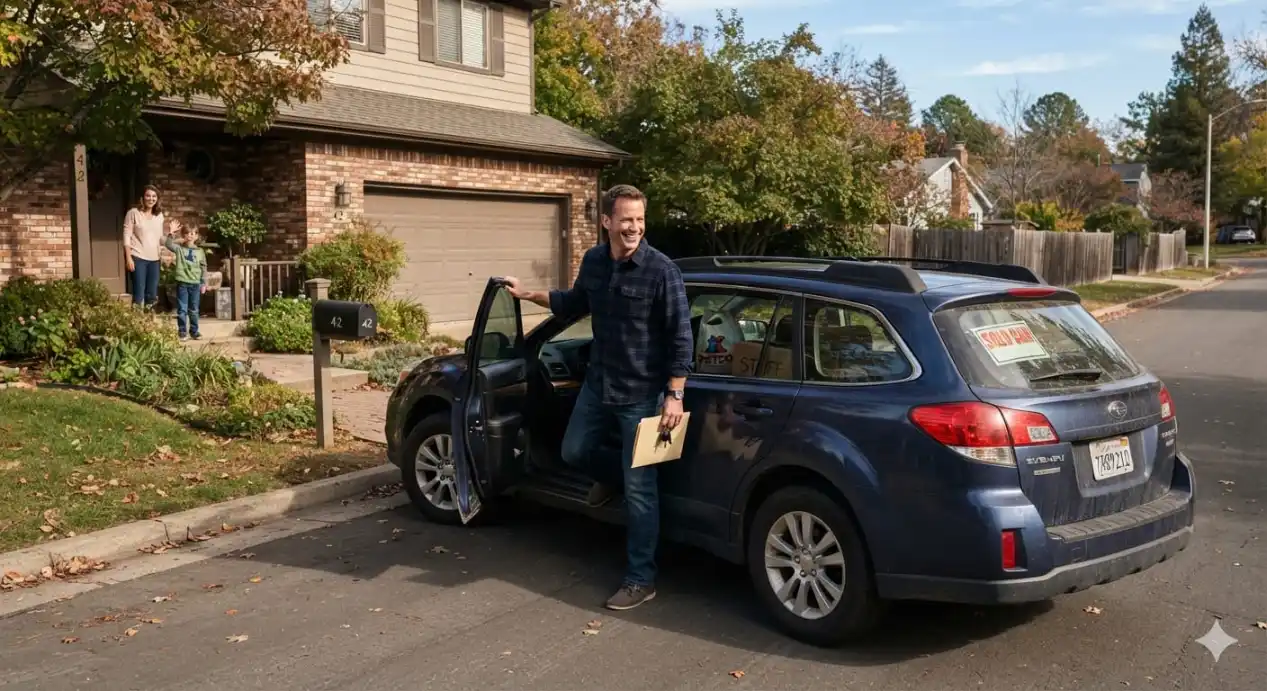
Verify the Legalities Before Moving the Vehicle
Before you actually hook up the vehicle or move a recovery rig to the seller’s location, you should make sure that all the legal and administrative documentation is complete. Vehicles that are not registered or titled properly could be subject to substantial fines from law enforcement when operating on public streets.
Secure the Bill of Sale and Title
Never attempt to transport a vehicle until the title and a detailed bill of sale have been handed over by the seller and the documents are signed. Make sure that the Vehicle Identification Number (VIN) on the actual dashboard is identical to that on the title. When transporting the towed asset and being stopped by local highway patrol or police officers, you must have immediate and definite physical evidence that you are the legal owner of the towed asset.
Check State Registration and Transit Laws
If a tow bar or a tow dolly is used, and the back wheels are still in physical contact with the ground, many states keep the vehicle registered and require it to have a minimum amount of liability insurance. If the car has not been registered, you may need to head to your local dmv office before you depart to obtain a temporary moving permit or transit tag so you will remain legal while you travel.
Choose the Correct Towing Equipment for the Vehicle
Knowing which towing equipment to choose for the various vehicles is essential. The wrong equipment can lead to a vehicle’s transmission, drivetrain and/or differential gears being permanently destroyed before it is even driven.
Front-Wheel Drive (FWD) vs. Rear-Wheel Drive (RWD)
If you are looking at a front-wheel-drive (FWD) car, such as most standard cars, this is a good time to use a cost-effective tow dolly that you can use safely. Just drive or winch the front wheels onto the dolly, tie on the safety straps and let the back wheels roll on the ground. But this can cause the gearbox to burn out if the car has a rear-wheel-drive powertrain and if the rear wheels are on the ground while towing and the transmission is turning. RWD cars require either a flatbed car or complete removal of the driveshaft.
All-Wheel Drive (AWD) vs Four-Wheel Drive (4WD)
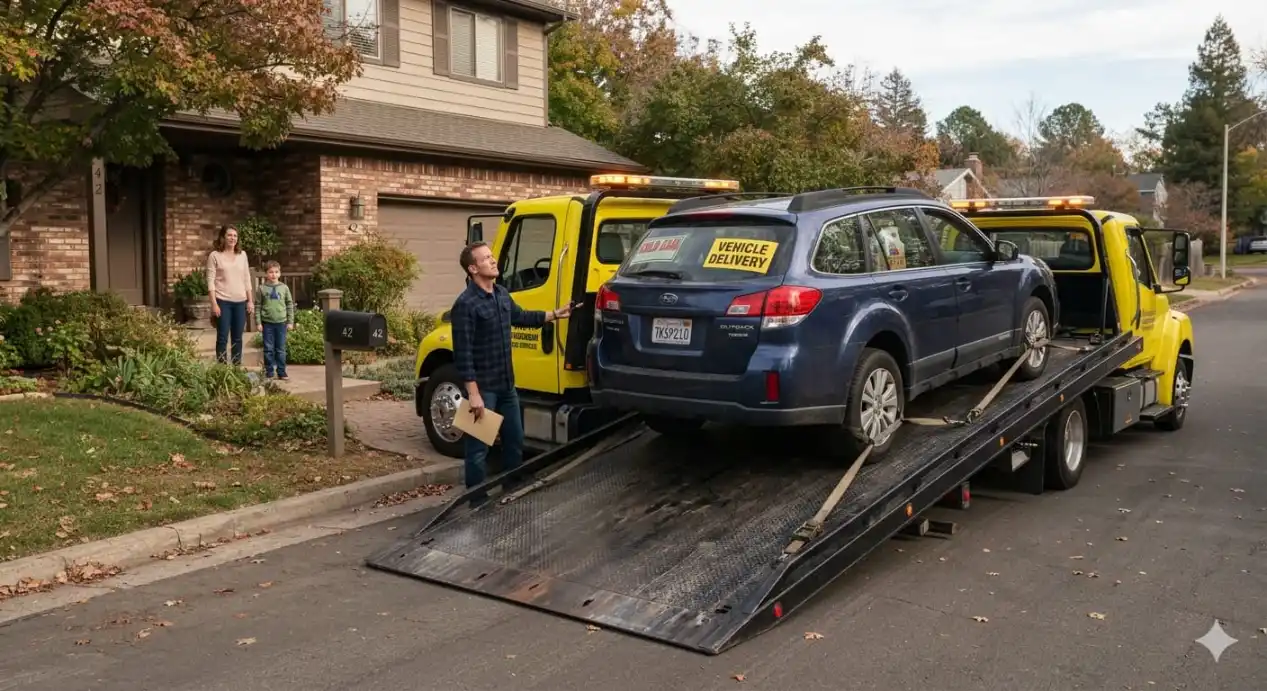
If you’ve just bought an all-wheel drive sedan or 4WD SUV, you have the strictest technical requirements. When towing two wheels on a dolly and two wheels on the ground, then the central differential or transfer case will be destroyed immediately. Where a vehicle is unable to move safely on its own, this should be done on a full flatbed-only transport trailer, with all four wheels fully off the ground.
Assess and Match Your Towing Vehicle’s Capacities
A heavy car trailer shouldn’t be attached to a compact SUV or a light duty truck without checking the weight capacity of either the trailer or the tow vehicle. If you overload a tow vehicle, the steering will not respond, braking distances will be greatly increased and you may experience significant trailer sway at high speeds.
Calculate the Gross Towing Weight: Look inside the driver-side door jamb of your primary tow vehicle to find the Gross Vehicle Weight Rating (GVWR) and maximum towing capacity. Include the actual curb weight of your new used car in addition to the weight of the rental dolly or trailer you are using. The total should still be within the safe loading limit of your tow vehicle. If the sums do not add up in your favour, it can be cheaper to book a flatbed instead — see our tow truck cost breakdown before you decide.
Check Hitch System: Make sure that your tow vehicle has the right class of hitch receiver. The basic Class I or Class II hitch is hopelessly insufficient for towing a full-size vehicle. A solid Class III or IV hitch frame along with the correct class IV ball mount and safety chains are generally required for the safe handling of heavy tongue weight. Getting this figure wrong is one of the most common mistakes drivers make, so it is worth reading what tow rating actually means before you hook up.
Prepare the Used Car for the Journey Home
Once legal matters have been settled and the proper type of rig is chosen, there will be a build-up inspection of the used car to get it ready for physical transport.
Even if the vehicle is being transported completely on a flatbed trailer, the tires should be inflated to the correct PSI ranges so the tie-down straps will securely bite into the tires. If you are towing on a tow dolly with the back tires on the ground, check for dry rot and deep cracks in the sidewalls. Make sure that the wheel bearings do not squeak or grind or it can cause a serious accident on the highway.
For Manual & Rear-wheel-drive Vehicles, ensure the transmission is in Neutral, and the mechanical parking brake is disengaged, verify several times when using a tow bar or dolly. When a car is geared to a highway speed, and it is left in gear or “Park” mode with the wheels spinning, it will completely destroy the mechanical components inside the powertrain.
Practice Safe Driving Tactics on the Road
Driving a vehicle while it’s loaded with another heavy vehicle is a different way of driving. The extra drive will completely change your truck’s cornering and stopping abilities.
With thousands of pounds of additional rolling weight, your car will need almost twice the distance to come to a halt. Keep the bumper 4-5 seconds away from the car in front of you. Do not change lanes abruptly or erratically, and signal for a long time before changing lanes.
The heavy load on your tow rig will press against you when you’re going downhill on steep grades of highway or rolling hills. Avoid riding your brakes continuously as this will cause brake fade and will tend to overheat your brake pads quickly. Rather, make sure you’re in a lower gear (engine braking) to ensure a slow, controlled, and safe descent of your vehicle.
Towing a caravan of your own instead of a car? Our caravan towing service covers dual-axle rigs and trailer sway recovery. And if the logistics feel like too much to organise yourself, comparing a private towing company against roadside assistance can help you decide who to call. If the car turns out not to be worth fixing up at all, our car removal service offers free pickup for unwanted or non-running vehicles.