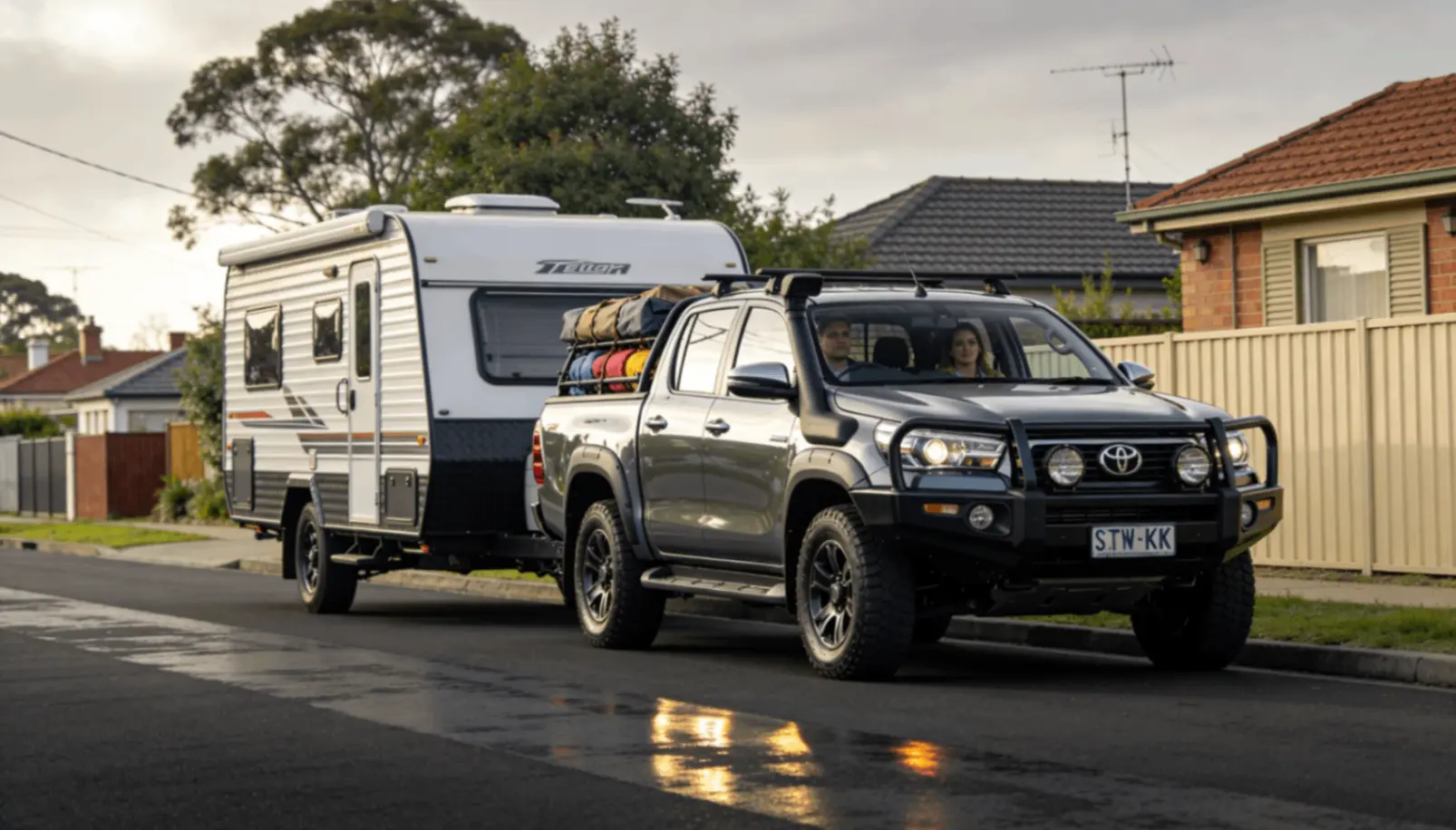
If you’ve ever looked at your ute or SUV specs and wondered what is tow rating, you’re not alone. A lot of Melbourne drivers assume it simply means “how much can my car tow,” but it’s a bit more layered than that. And getting it wrong can lead to unsafe loads, fines, or even damage to your vehicle.
In this guide, we’ll break it down in plain English so you actually understand what your tow rating means, how it affects real driving, and what to watch out for before hitching up a trailer or caravan. Early in your planning, it’s worth speaking with a local team that deals with towing every day. Southern Towing & Car Removals in Southern Melbourne regularly helps drivers with caravan towing services and caravan safety problems on Australian highways when needed. They also see a lot of drivers who are confused about tow ratings, especially. when a DIY tow feels tempting. The team often sees the same issue — people misunderstanding their real towing limits before hitting the road.
Tow Rating Explained in Simple Terms
Tow rating is basically the maximum weight your vehicle is designed to safely pull behind it. That includes trailers, caravans, boats, or work equipment. But here’s where most people get caught out — that number assumes ideal conditions. Empty car. No passengers. No extra gear. In real life, your towing ability drops once you load up the vehicle. \ Manufacturers calculate tow ratings based on things like engine torque, gearbox strength, braking system, suspension setup, and cooling capacity. So it’s not just about engine size. Two similar-looking vehicles can have very different tow ratings because of small engineering differences. A good way to think about it: tow rating is your vehicle’s “pulling limit,” but it’s not a fixed real-world guarantee.
What Actually Affects Tow Rating
Tow rating isn’t random. It’s built from several connected systems working together. The engine is one part, but torque delivery matters more than raw horsepower. Then you’ve got the transmission, which must handle constant load without overheating. Cooling systems also play a big role, especially when towing in hot Australian conditions. Suspension and chassis strength matter too. A soft suspension might feel comfortable, but it won’t handle heavy trailer sway well. Brakes are another key factor — stopping a loaded trailer safely is just as important as pulling it. And here’s something many Melbourne drivers miss: your actual tow rating changes based on how your vehicle is configured. A 4x4 dual-cab might tow differently depending on whether it has towing packages, axle ratios, or factory upgrades. So even if two vehicles look identical, their real towing performance can be quite different.
Tow Rating vs Payload (Where Most People Get Confused)
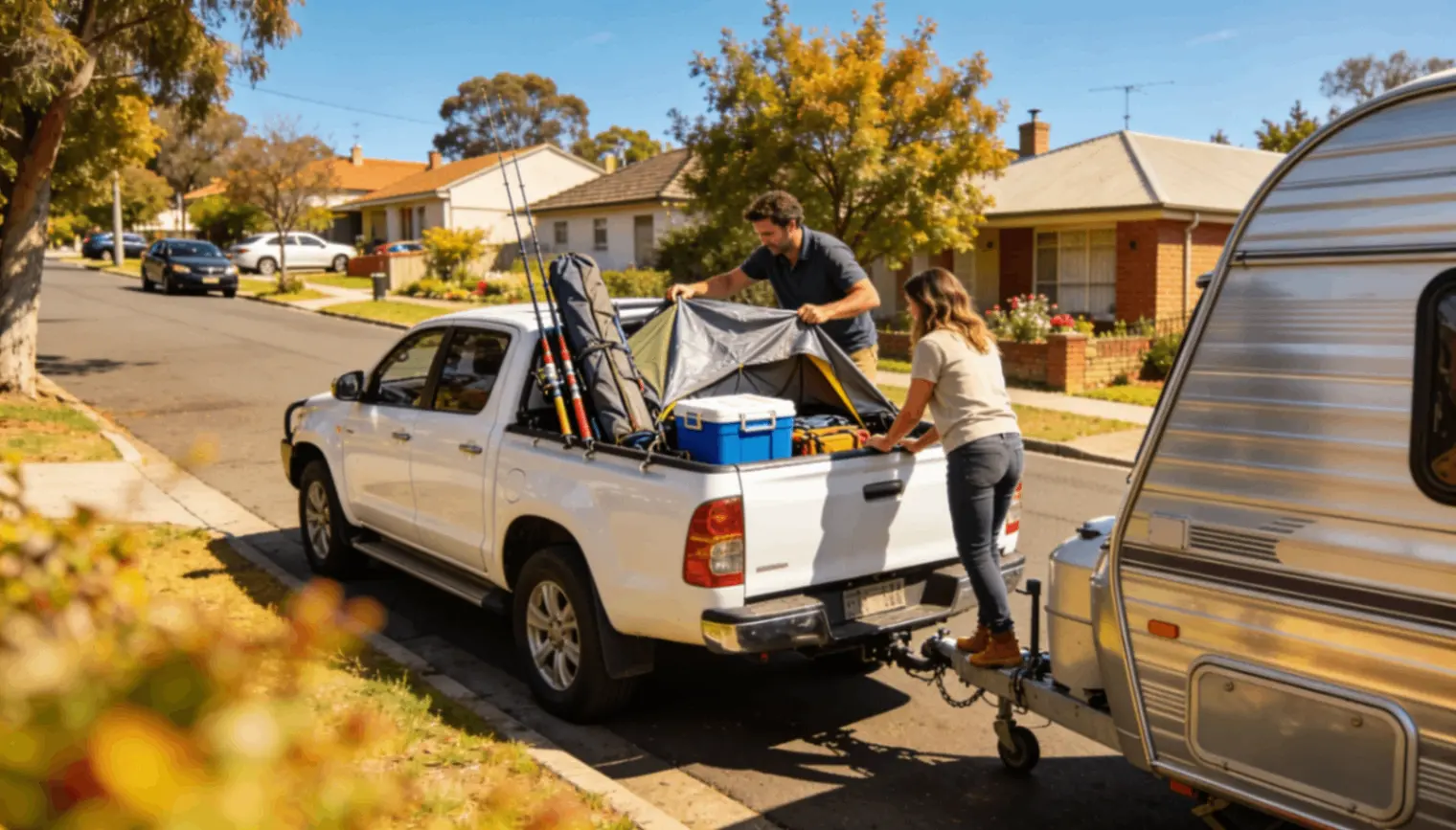
This is where things get tricky. Tow rating is not the same as payload. Tow rating is what you pull behind the vehicle. Payload is what you carry inside it — passengers, tools, fuel, and cargo in the tray or cabin. Both affect each other. For example, if your ute is fully loaded with gear and five passengers, your available tow capacity effectively drops because you’re using up weight allowance inside the vehicle itself. A real-world example: a driver towing a 2,500kg caravan might technically be within tow rating, but if their ute is already loaded with tools and passengers, they could still be over the safe combined limit without realizing it.
| Category | Tow Rating | Payload | GCM (Combined) |
|---|---|---|---|
| What it means | Weight you can pull behind vehicle | Weight carried inside vehicle | Total vehicle + trailer weight |
| Affects | Trailer performance | Suspension and load balance | Overall legal towing limit |
| Common mistake | Ignoring passenger weight | Overloading tray/cabin | Exceeding combined limits |
| Real impact | Towing safety and control | Vehicle stability | Legal compliance |
Common Mistakes Melbourne Drivers Make
One of the biggest mistakes is trusting brochure numbers without adjusting for real use. Those numbers assume a near-empty vehicle, which rarely happens in everyday driving. Another issue is loading trailers incorrectly. If too much weight is at the back, the trailer can sway dangerously at higher speeds. If too much is on the towball, it can overload the rear suspension. Some drivers also forget that fuel, passengers, and accessories all count toward total weight. It adds up quickly. And finally, many people assume bigger vehicles automatically mean higher safe towing ability. That’s not always true. Even larger SUVs can be limited by payload long before they hit their tow rating.
Conclusion
Tow rating isn’t just a number on paper — it’s a safety limit based on how your vehicle performs under real conditions. Once you understand how it connects with payload and total weight, towing becomes a lot clearer and safer. Many Melbourne drivers only realize this after running into issues on the road, which is avoidable with the right knowledge. If you’re planning a trip or need help with towing services or car removals, Southern Towing & Car Removals in Southern Melbourne can help you get things sorted safely and confidently before you hit the road. And if a breakdown does happen mid-trip, know what to do if you end up stranded on the road before help arrives. And if you’ve just bought a used car that needs hauling home before it’s even roadworthy, our guide on towing a newly purchased used car home safely covers hitch classes and GVWR limits in more detail.
Explore our 24/7 caravan towing service